
Light on Yogurt
A super-easy world of fermented dairy awaits
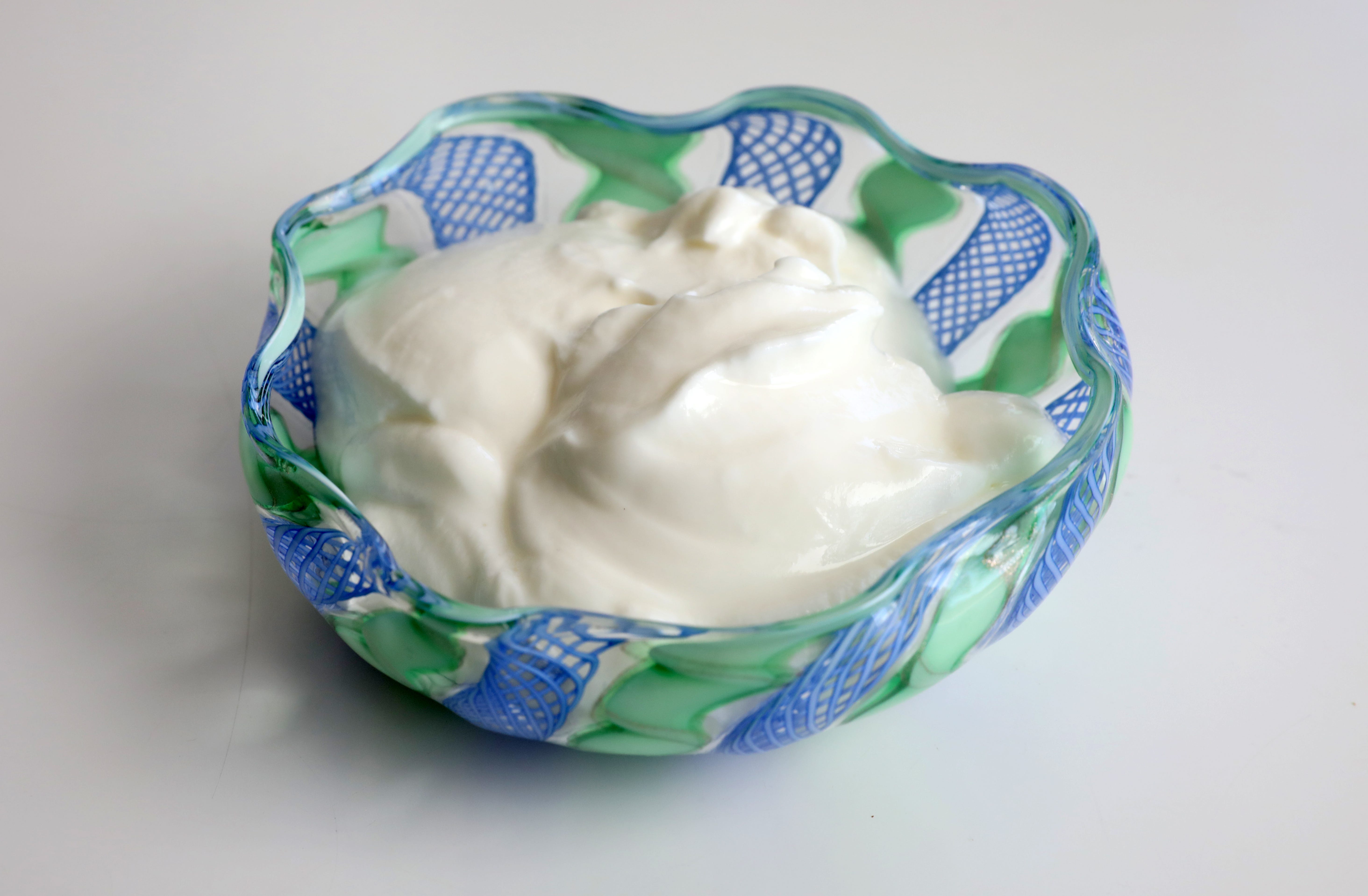
Yogurt is incredibly easy to make. You bring a pot of milk to 180˚F/82˚C to pasteurize it, then cool it to around 110˚F/43˚C, stir in a spoon or two of some store-bought yogurt or a yogurt culture, jar it, and then hold it at that temperature overnight (about 12 hours). That’s it!
There’s an even easier way, using various heirloom cultures that can set yogurt at room temperature. We’ll get to cultures in a minute, but first let’s discuss your temperature control options. If your oven has a pilot light, you may find that it’s about right for fermenting yogurt. Maybe the top of your water heater hovers in that range—possibly with the help of a blanket as insulation. You could also put a heating pad inside an insulated box like a picnic cooler. Slightly more technically, if you have a dehydrator or a sous vide rig you can set those for the desired temp and put your jars in there.
If you’re using store-bought yogurt as your starter, be advised that you can’t keep it going indefinitely like you would a sourdough starter. You should be able to get 3-4 batches by using each batch to seed the subsequent one, but after that it won’t work reliably. You can buy freeze-dried yogurt cultures online, and keep them in the freezer so they last a long time. Those too will need to be replenished from time to time as they will stop working after a few batches.
That’s where Bulgarian cultures come in—these can be reused over and over, though they still need to be heated. There are some Scandinavian cultures, though, that can be sustained indefinitely, much like a sourdough starter, though ideally you need to make a batch a week (give or take) to keep them thriving. You can freeze or dehydrate them if you’re going away for a while or want to hedge against calamity. Besides their potential immortality, these cultures also set milk at room temperature, so you can just leave them out on the counter. You may find that the results taste and look a little different from the yogurt you’re used to, but the flavor is wonderful.
When I was in Minnesota last month, Karyn turned me on to viili, the Finnish version of this, which has a wonderful mild sweetness and a slightly elastic texture. The heirloom version below is a combination viili and other cultures from Scandinavia. As I said, it’ll be a little different from what you may be used to, because the microbes are, but it’s super easy and low-maintenance to do it at room temp and keep it going indefinitely.
Yogurt culture sources:
If you enjoy thicker, Greek-style yogurt, just take your set curd and hang it in a jelly bag or a few layers of cheesecloth to drain. And be sure to save the whey! There’s a lot more to talk about when it comes to fermenting milk, but if you’re new to this world I want to emphasize how simple it is—whichever cultures you choose. So for now, happy fermenting!


The heating stage also denatures the protein lactoglobulin, and can contribute to a thicker end product, no matter what culture you use. Some hold at a higher temp (~195F) for up to 30 minutes for the thickest end result without straining. The higher the temp, the thicker and more custard-like the result. Likewise, fermenting at the lower end of the incubation range also yields a more firm end result by allowing a more stable protein matrix to form (slower formation means more stable matrix).
Not sure why you say that yogurt cultures will stop working after a few batches. We started a couple yogurt batches years ago, that have been fine since we began. We continue to use a couple tablespoons from the last batch for the next batch and all is good.