

Fermented Herb Sauce
So easy, so good
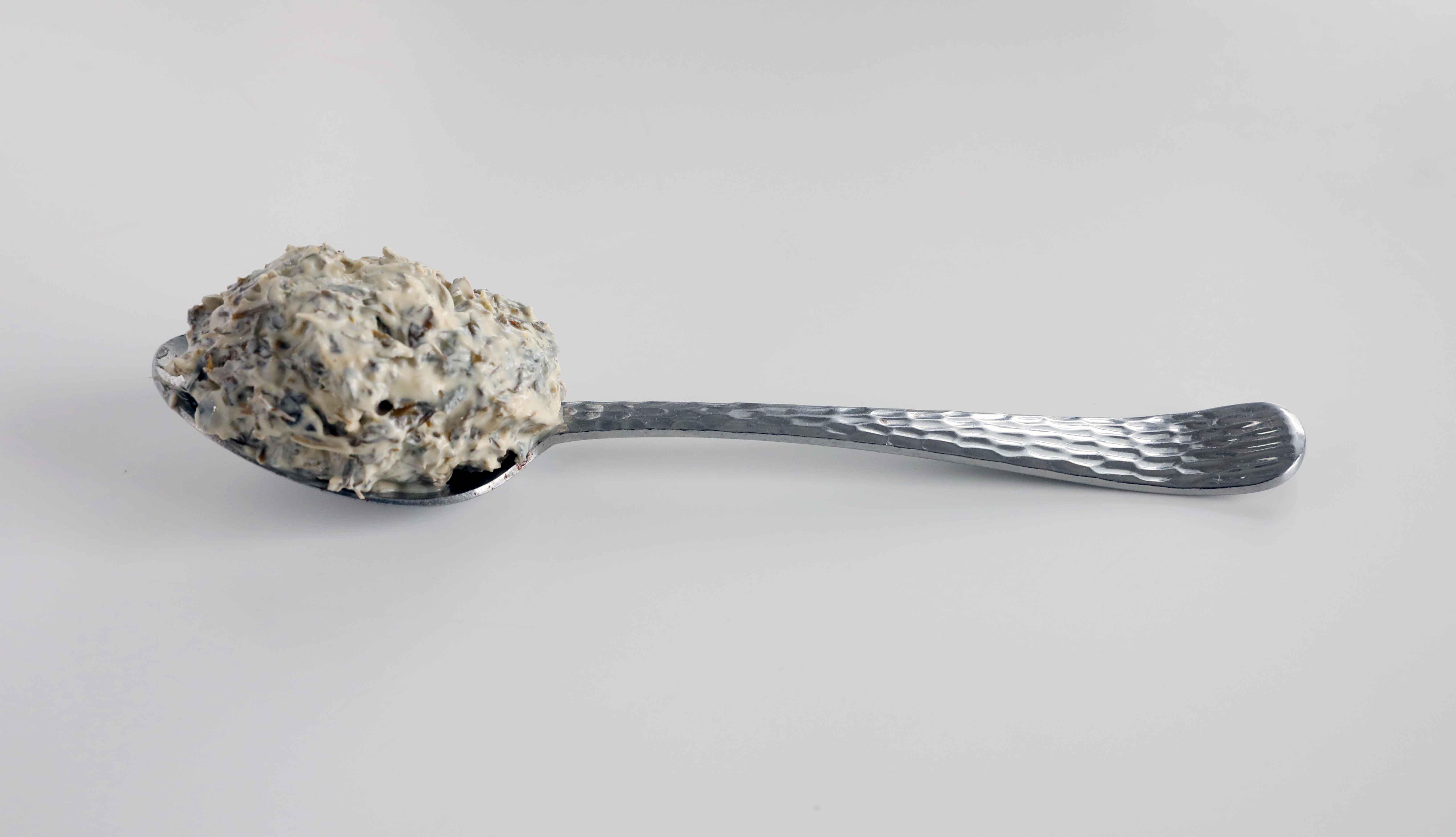
As a follow-up to the yogurt post, I wanted to talk about this sauce that I make a lot. Since spring lurks around the corner, ready to mug us with verdant splendor, knowing how to preserve herbs can come in pretty handy. Drying works well for the woodier end of the spectrum (thyme, rosemary, et al) but tender herbs tend to lose most of their appeal when dehydrated. Fermentation captures a lot of their more volatile, delicate, fugitive flavors and preserves them well, but you need to blanch and shock them first. Lacto-fermenting raw tender herbs will work, but they’ll turn dark and somewhat slimy and lose a lot of character.
So dunk everything in boiling water, using enough that adding the plants doesn’t knock your boil down. Stir them, making sure everybody gets submerged, and as soon as the color changes to that extra-rich green, pull them out with a spider or similar and plunge them in a big bowl of ice water to stop the cooking. Then spin and blot them dry, and then mix them with 2% salt by weight and pack them into jars with a weight on top to keep them below the liquid.
You can blend them or not at this point depending on how you want to use them later. I coarsely chopped mine. If they’re not covered in liquid by the next morning, just pour in enough 2% brine to cover the weight. Let them ferment on your counter if it’s not too hot in your kitchen, or move them somewhere cool for a few days or longer—until they’re nice and tangy and irresistible. I made the batch featured in the photo last fall, shortly before the first freeze, using a mixture of everything tender from the garden: 4 kinds of basil, chervil, dill, tarragon, fennel, and parsley. It has sat happily in my fridge since then, adding depth to all manner of dishes.
For this sauce, I took some of the yogurt from that post and stirred in my fermented herbs. That’s it, that’s the recipe. Fans of raita know that salty yogurt has a particularly addictive character, and adding a panoply of pickled herbs makes for a seriously wicked combination. It works on so very many things, and obviously you can add more to it to modify the flavor and texture depending on how you wish to deploy it—add some oil & vinegar and you’ve got a sort of ranch-green goddess hybrid to die for. But think about all the possibilities, from dips to dressings to sandwiches to sauces for almost anything savory. Gravlax? Check. Lamb shoulder? Check. Vegetarian rice and beans? Check.